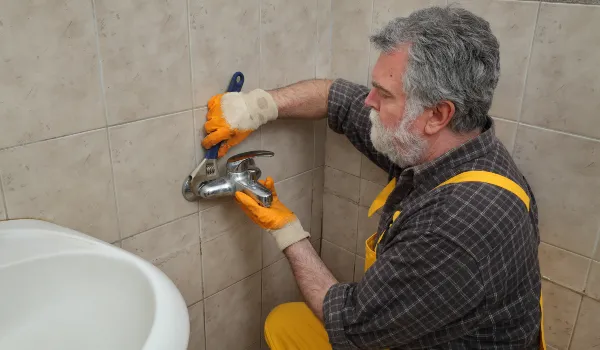
A kitchen faucet that has fallen to a trickle, brown or yellow water in the tub, or a toilet that refills every few minutes can turn an ordinary morning into a plumbing search. Emergency Plumber Grand Prairie can trace the symptom to a clogged aerator, failing valve, corroded supply line, or hidden leak instead of only treating the visible nuisance. Damp drywall or a sudden loss of hot water deserves prompt attention.
A slow drain that has behaved the same way for a week can usually wait for a scheduled visit if no water is backing up. Do not wait if wastewater rises in a shower, a damp patch expands across a ceiling, pipes bang after every flush, or the main shut-off will not stop a leak. Close the nearby fixture valve or house shut-off if safe, then keep taps unused; water can damage framing and flooring quickly.
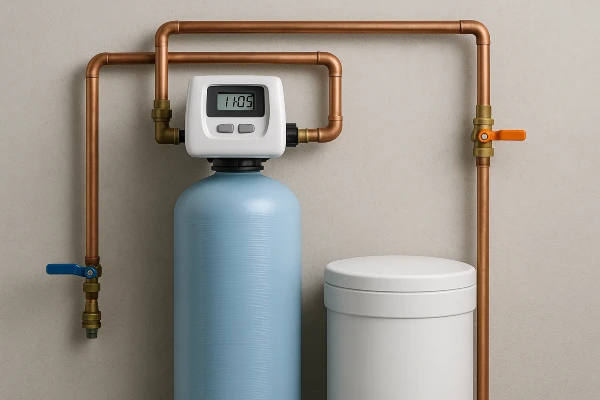
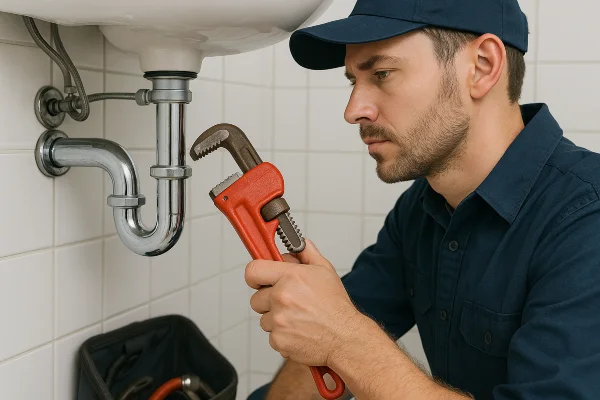
The visit usually starts with locating the affected fixture and isolating the supply through a shut-off valve. The plumber checks supply lines, traps, valves, pressure regulators, and visible connections for leaks or corrosion. For drainage trouble, a camera inspection through a cleanout can show whether grease, roots, scale, or a damaged pipe is blocking flow. Commercial Plumbing Services may use similar diagnostic tools, but a home’s fixtures and water use require a focused approach.
After the cause is confirmed, the repair may involve hydro jetting a drain, re-seating a toilet, soldering a copper fitting, or replacing a worn valve. A water heater inspection can include the tank, thermostat, anode rod, and temperature controls because sediment inside the tank makes the burner work longer. Before water is restored, connections are pressure tested and each faucet, drain, and shut-off is checked for proper operation.
A repair in a newer single-story home with exposed pipes in the garage is usually easier to access than a leak beneath a slab or behind tile in an older bathroom. Galvanized steel, copper, PEX, and cast-iron drain lines each fail differently and require different fittings or replacement methods. Slab Leak Detection can help narrow down a hidden water line problem before flooring, concrete, or cabinets are opened unnecessarily.
What is found after a wall panel or cleanout is opened often changes the scope. A small section of copper pipe may accept a repair that buys roughly two years, while widespread pinhole corrosion can make replacement with PEX a better fifteen-year decision. Winter freezes, summer irrigation demand, and soil movement around a foundation can also affect pressure, pipe stress, and the materials chosen for valves, insulation, or supply lines.
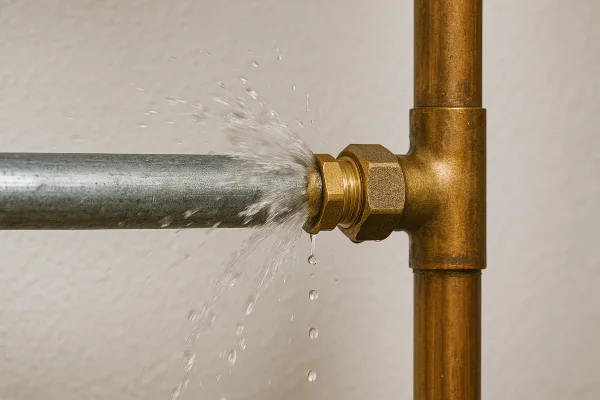
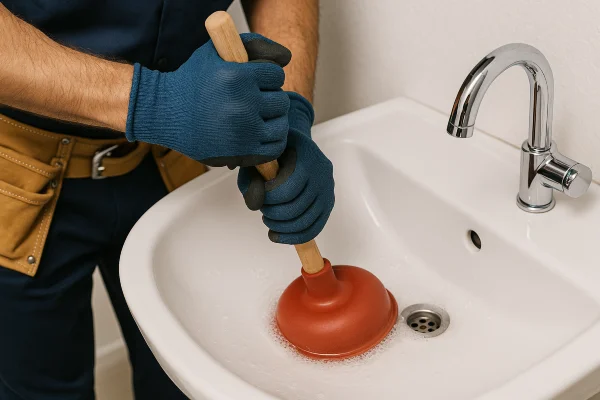
Ask what caused the symptom, not only what part will be replaced. A useful explanation should connect the slow drain, low pressure, damp patch, or running toilet to a specific trap, valve, supply line, flange, or drain section. Ask how the plumber will gain access, whether a camera inspection is needed, and what happens if corrosion or a broken pipe is found behind the wall after the initial diagnosis.
A proper estimate should identify the labor, materials, fixture or pipe section involved, testing steps, and any likely additional work before tools are put to the line. Homeowners in Grand Prairie, TX can also ask about permits when water heaters, gas connections, or major supply lines are involved. Before starting, a contractor should explain where the shut-offs are, how long water may be off, and how the repaired system will be pressure tested.
EMERGENCY PLUMBER GRAND PRAIRIE
2080 N State Highway 360, Grand Prairie, TX 75050
(972) 996-1133
info@emergencyplumbergrandprairie.com
Hours of Operation
Open 24 Hours